Maintenance | How to Refill Hydraulic Oil in a Roll Grooving Machine
Oct 27,2026
ROLL GROOVING MACHINE
Oiling & Maintenance Manual
Lubrication • Routine Care • Oil Drainage Before Air Shipment
IMPORTANT SCOPE NOTE
This manual intentionally avoids unconfirmed details. The oil fill point is on top of the hydraulic pump. Use L-HM 46 anti-wear hydraulic oil. Approximately 30 mL is a reference quantity only, not a guaranteed capacity for every model. Do not guess at drain plugs, valve positions, machine orientation, or other model-specific steps. If the applicable procedure is not identified, stop and obtain instructions from the machine supplier.
1. Purpose and Confirmed Information
This document covers hydraulic oil filling, routine maintenance checks, and oil drainage preparation before air shipment.
Item
Confirmed information
Oil type
L-HM 46 anti-wear hydraulic oil
Fill point
Top of the hydraulic pump
Reference fill quantity
Approximately 30 mL; verify against the specific machine/model instructions
Typical supplied tool
A small oil bottle is usually supplied with the machine
2. Hydraulic Oil Filling
Before starting
Place the machine in a stable, safe work area and prevent unintended operation.
Identify the hydraulic pump and confirm the oil fill point on its top.
Prepare clean L-HM 46 anti-wear hydraulic oil and the supplied small oil bottle, if provided.
If the machine is damaged, leaking, or the fill opening cannot be identified confidently, do not proceed; contact the supplier.
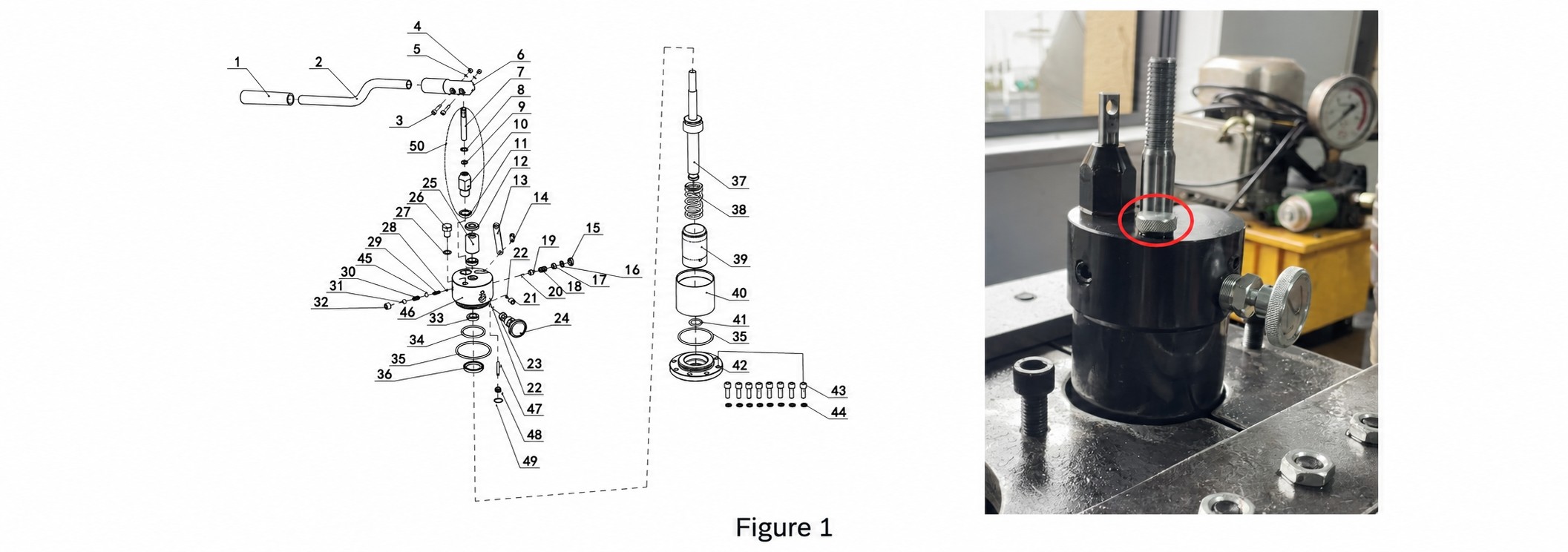
2.1. Hydraulic Pump Oil Fill Port — Exploded View
Part No.26 is the filling oil plug Figure 1
Filling procedure
Make sure the machine is not operating before handling the fill point.
Clean the area around the identified fill point to help prevent dirt entering the hydraulic system.
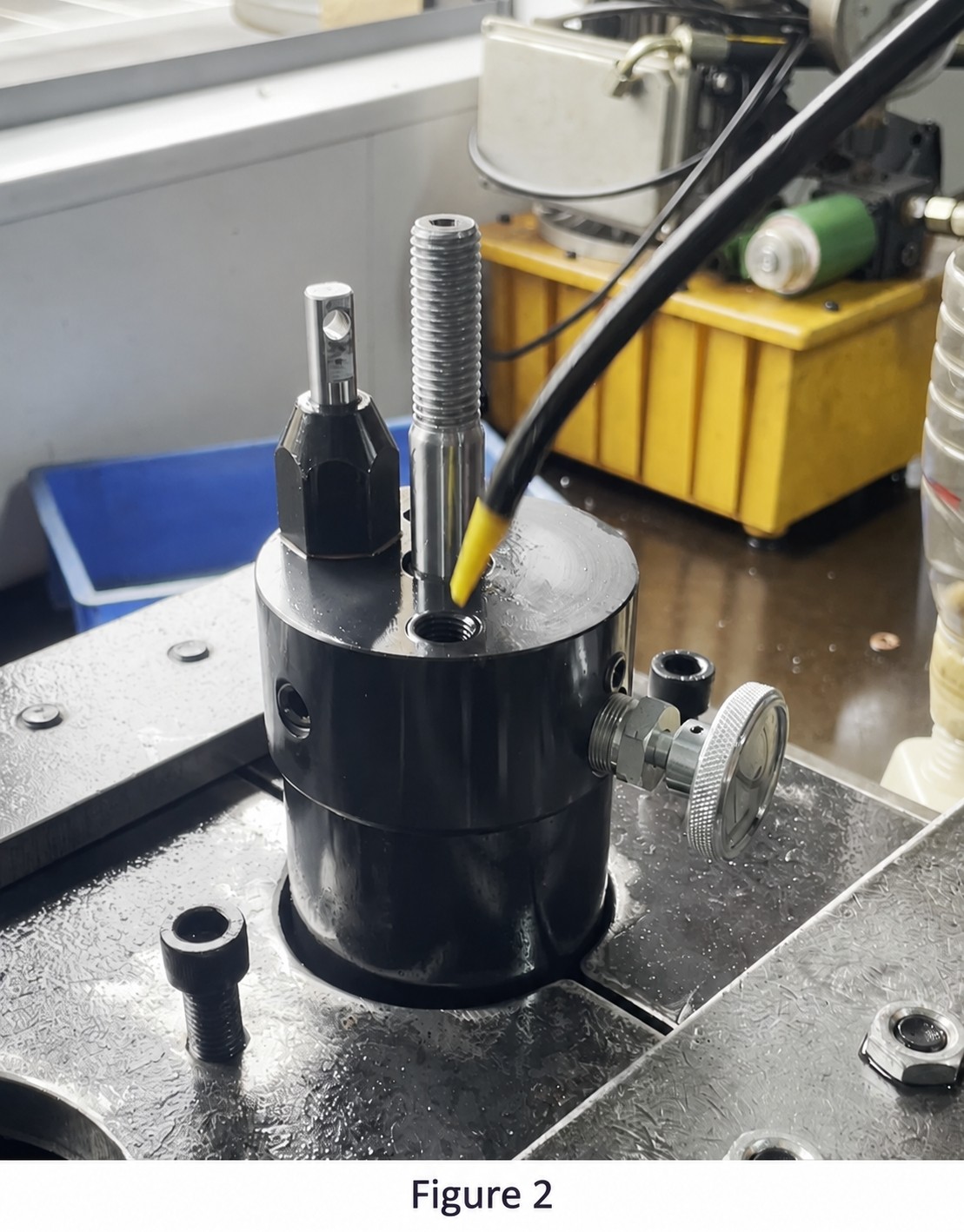
Add L-HM 46 anti-wear hydraulic oil carefully through the fill point on top of the hydraulic pump. Figure 2
Use approximately 30 mL only as a reference quantity. Do not force in this amount if the machine’s model-specific instructions specify otherwise or if the correct fill level/capacity is uncertain.
Close or refit the fill-point component only according to the machine’s supplied instructions. Do not guess the cap, plug, or tightening method.
Wipe away spilled oil and check for visible leakage before returning the machine to service.
Do not mix oil types unless the machine supplier explicitly confirms compatibility. Do not run the machine if the correct oil level or closure method is uncertain.
3. Routine Maintenance
Perform these basic checks at a frequency appropriate to the working environment and the supplier’s maintenance schedule. No fixed service interval is specified here because one has not been confirmed.
Check the hydraulic pump and surrounding area for visible oil leakage.
Inspect accessible hoses, fittings, and visible components for damage, looseness, or abnormal wear. Do not dismantle pressurized components.
Keep the area around the oil fill point clean before opening it.
Use only the specified L-HM 46 anti-wear hydraulic oil when topping up, unless the supplier gives different instructions for the exact model.
Keep the supplied oil bottle clean, capped, and clearly identified; prevent dust or other contaminants from entering the oil.
If oil loss recurs, leakage is found, or the machine behaves abnormally, stop using it and consult the supplier or a qualified service technician.
Follow the machine’s official manual for any checks, lubrication points, adjustment, cleaning, or replacement tasks not described here.
4. Oil Drainage Before Air Shipment
Safety-critical limitation: The exact drain point and drainage method have not been confirmed for this machine. This manual therefore does not identify a drain plug, recommend tilting the machine, or specify a disassembly sequence.
Before arranging drainage
Confirm with the machine supplier or freight/compliance team whether hydraulic oil must be removed for the intended air shipment and what documentation or packaging rules apply.
Obtain the exact model-specific drainage instructions, including the approved drain point, machine position, and any components that must be removed or refitted.
Prepare a suitable oil collection container and spill-control materials as directed by the approved procedure.
Ensure the machine is stopped and secured, and allow it to reach a safe condition before any approved service work. Do not open a component that may be pressurized.
Drainage
Drain the oil only by following the confirmed procedure for the exact machine model.
Collect and contain the oil to prevent spills. Dispose of or store it in accordance with applicable local requirements and the supplier’s instructions.
Refit any removed components exactly as specified by the approved procedure; do not guess tightening torque or sealing requirements.
Check for visible leakage after the approved procedure is complete, and protect the machine against leakage during packing as instructed by the shipper.
If the model-specific drain procedure is unavailable, do not improvise. Ask the supplier or a qualified technician to perform or supervise the drainage.