Butt Fusion Machine & Pipe Tool Manufacturer

Home / All
Blog
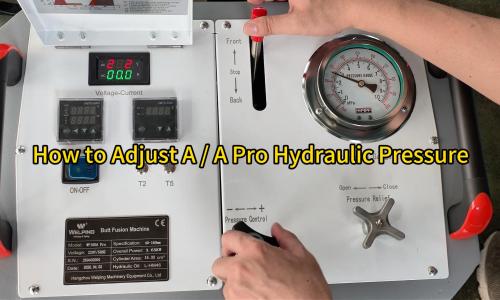
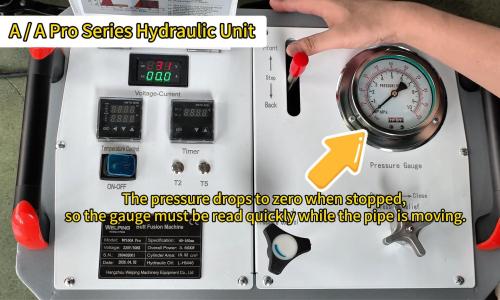
 Operation Guide | How to Adjust Pressure on A and A Pro Hydraulic UnitsSep 28,2026A simple step-by-step guide to adjusting hydraulic pressure on A and A Pro butt fusion machine hydraulic units before operation.
- Operation Guide | How Drag Pressure Is Read on FX vs. A / A Pro Hydraulic UnitsSep 25,2026A quick guide to the difference between FX and A / A Pro hydraulic units when measuring drag pressure, including when the pressure value should be read.
- Operation Guide | Operation Instructions for A-max Butt WelderSep 24,2026The differences between the A-max series butt welding machines and the A series welding machines.
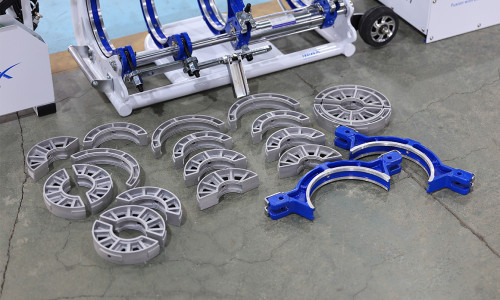
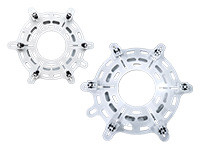
- Product Knowledge | How Clamp Insert Design Changes with Butt Fusion Machine SizeSep 22,2026This article explains why clamp insert design changes as butt fusion machine size increases, including differences in contact area, clamping stability, one-piece structures, widened inserts, and aluminum clamp design for large HDPE pipe welding.
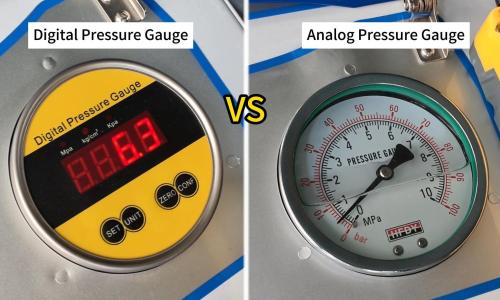
- Product Knowledge | FX Series: Digital vs. Analog Pressure GaugeSep 21,2026A quick comparison of the standard analog pressure gauge and optional digital pressure gauge used on FX Series hydraulic units, including their differences in readability, accuracy, and performance during a power failure.
- Maintenance | Preparation and Maintenance Before Operation of PE Pipe Butt Fusion Welding MachineSep 20,2026Before milling the PE pipe orifice, clean it with clean water or a wet wipe to prevent small stones from damaging the face of the milling cutter.
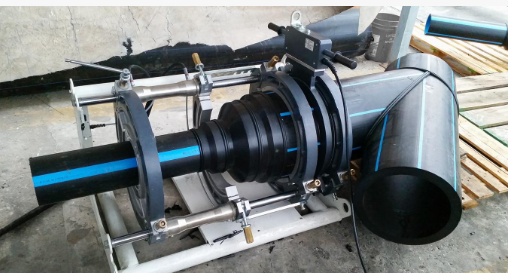
- Product Knowledge | Advantages of the Weipin Series B Butt Fusion Welding MachineSep 20,2026Welping B-series butt welding machines consist of the frame (including fixtures),facer, heating plate, lifting basket and tools.
- Selection Guide | What Size Generator Does a WP315A Butt Fusion Welder Need?Sep 17,2026What size generator do you think is required to keep this machine running stably?
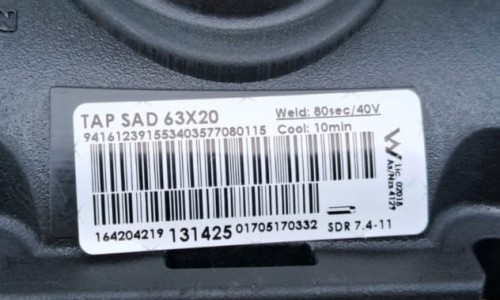
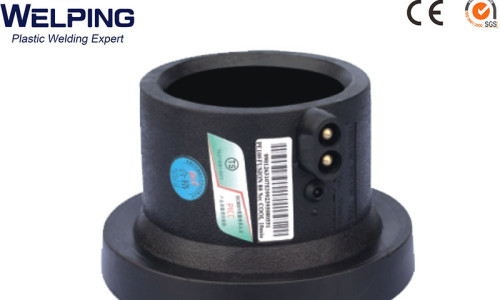
- Technical Guide | What Does Each Digit on the Barcode of an Electrofusion Fitting Mean?Sep 15,2026What does each digit on the barcode of an electrofusion fitting mean?
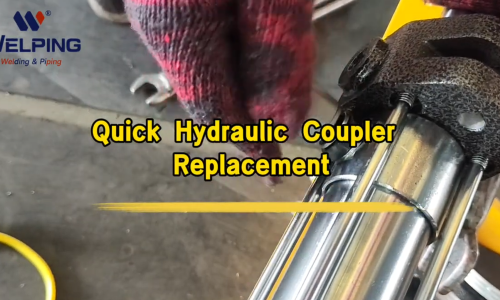
- Maintenance | How to Quickly Replace a Hydraulic Quick CouplerSep 10,2026The hydraulic quick coupler is an important connection component in the hydraulic system of a butt fusion welding machine. If the coupler becomes worn, damaged, or needs to be replaced during routine maintenance, the replacement process is actually very simple.
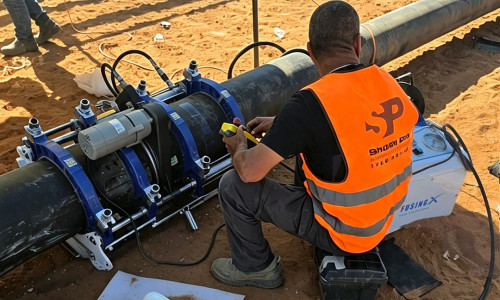
- Operation Guide | How to Use the PE Butt Fusion Welding Machine?Sep 9,2026A PE butt fusion welding machine is used to butt-join pipes directly; it is not for dragging pipes. For example, I welded 50 meters at Location 1 and 50 meters at Location 2. I want to connect the pipes from the two locations together. How can I do it?
- Standards & Specifications | PE Pipe Execution Standards — Did You Choose the Right One?Sep 9,2026PE Pipe - Commonly Used Chinese Execution Standards (Current)
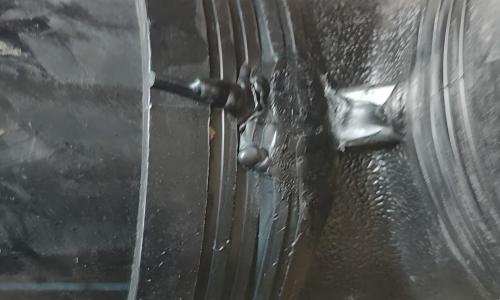
- Troubleshooting | On-site Shot of Welding Defects in PE Electrofusion Fittings: Can Such Products Still Be Used?Sep 7,2026Do not use electrofusion fittings in case of jetting, short circuit, or other similar abnormal conditions.
- Operation Guides | How to Install PE Reducing Couplings in SeriesSep 1,2026Connecting PE reducing couplings in series increases cumulative risk at the joints. If series connection cannot be avoided, use compliant fittings, follow PE butt fusion or electrofusion procedures, and pressure-test the entire piping system.
- Operation Guide | How to Connect PE Pipes to Iron Pipes and PPR PipesSep 1,2026PE pipes cannot be directly heat-fused to PPR or iron pipes. Depending on pipe size and service conditions, use brass-insert transition fittings, threaded adapters, flange connections, push-in connectors, steel-plastic transitions, or clamp couplings.
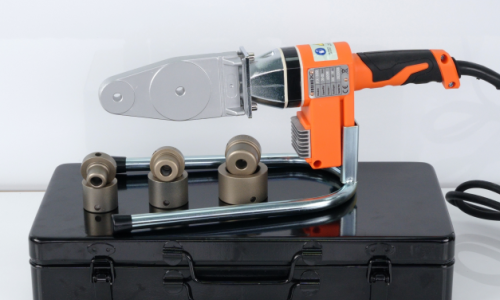
- Selection Guide | What Type of Fusion Welder Is Suitable for PPR Pipes?Aug 31,2026Common hand-held fusion welders for PPR pipes include DN20-32, DN20-63 and DN75-110 models. For PPR pipes larger than DN160, butt fusion or electrofusion welding may be used.
- Standards & Specifications | HDPE Butt Fusion Welding Temperature Chart & Key ParametersAug 11,2026A practical guide to HDPE butt fusion temperature, pressure, heating and cooling parameters. Learn why heater temperature alone is not enough, how interfacial pressure differs from hydraulic gauge pressure, and why DVS 2207-1, ISO 21307 and ASTM F2620/PPI procedures should not be mixed.
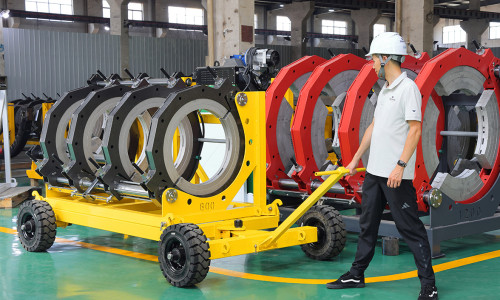
- Product Knowledge | What Should a Large-Diameter PE Pipe Fusion Machine Be Designed to Handle? A Closer Look at the WP800AAug 7,2026This article examines the key design requirements of a large-diameter PE pipe butt fusion machine, using the WP800A as a practical example. It covers frame rigidity, carriage guidance, clamping inserts, facing performance, heater temperature stability, hydraulic pressure control, equipment layout, site mobility and long-term maintenance.
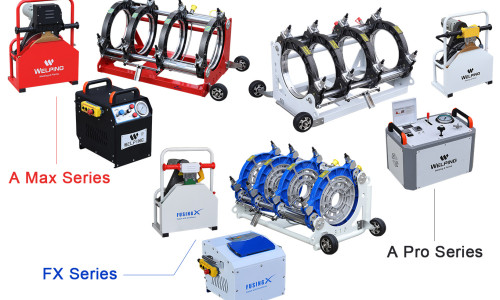
- Selection Guide | How to Choose the Right HDPE Butt Fusion Machine: Understanding A Pro, A Max and FX SeriesJul 27,2026Compare Welping A Pro, A Max, and FX butt fusion machine series to understand the differences in structure, hydraulic systems, and applications, and choose the right HDPE welding solution.
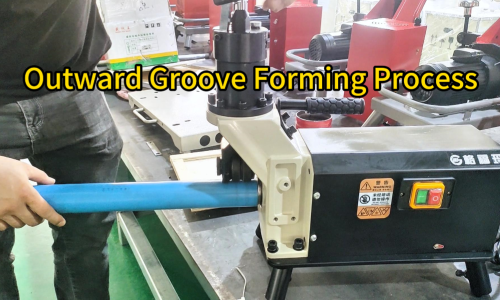
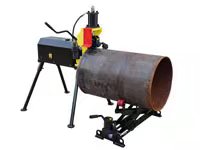
- Operation Guide | RG-2T Outward Groove Forming Process: How a Convex Groove Is Formed on Metal PipeMay 29,2026RG-2T is designed for inward and outward groove forming on metal pipes. This article explains how a convex groove is formed by controlled rolling pressure during the outward groove forming process.