
Inside the Facer: A Look at Welping’s Gear-Driven Transmission
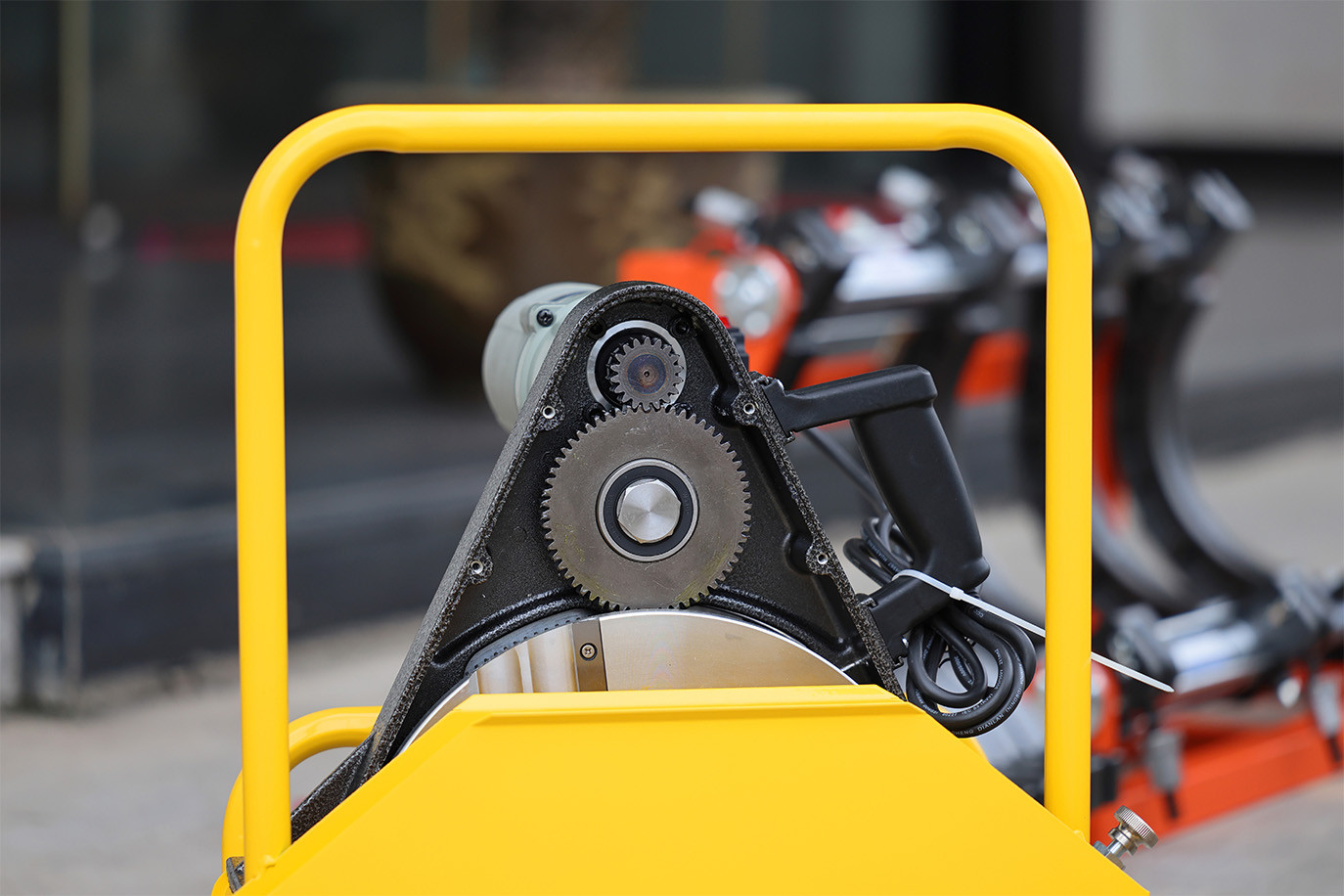
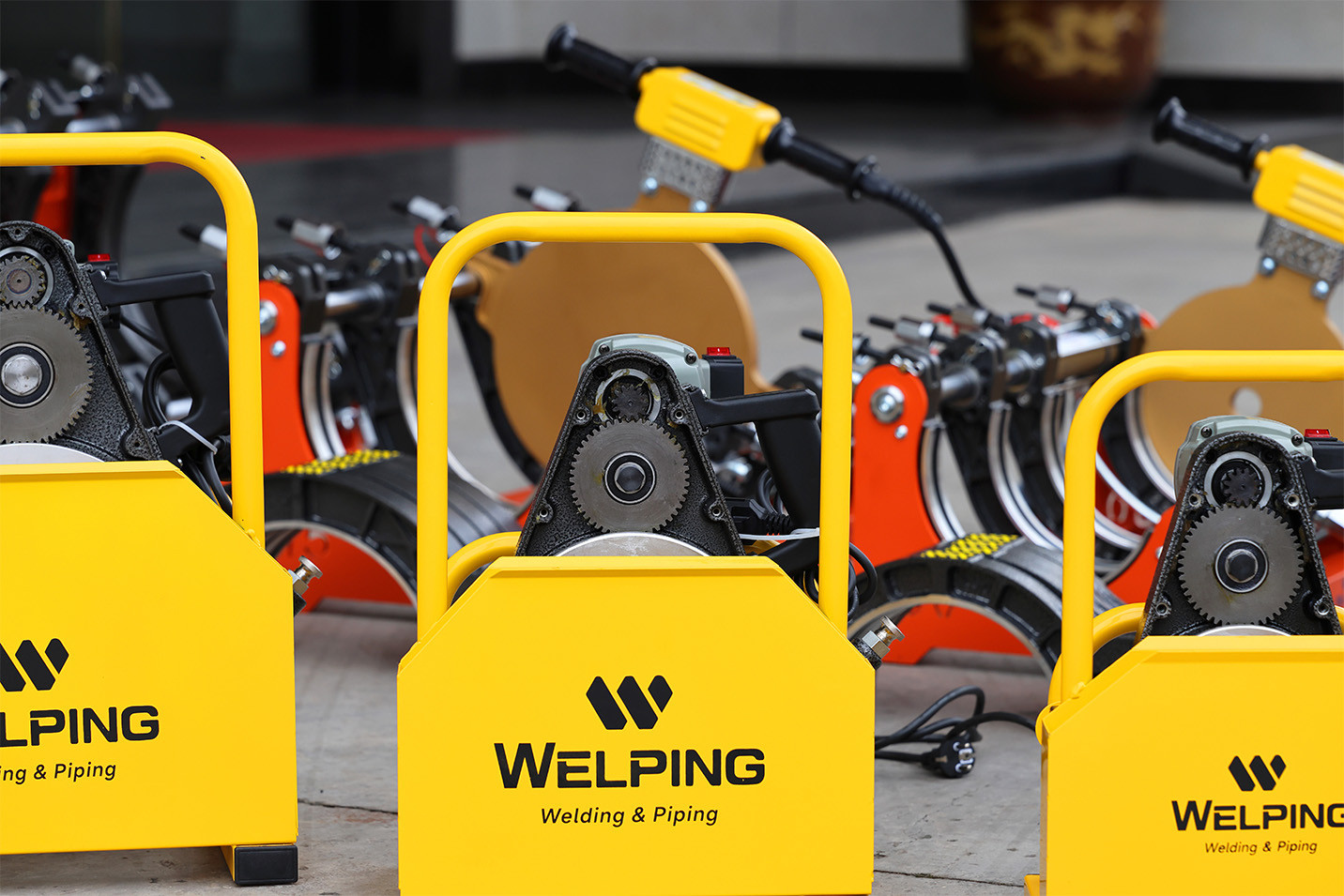
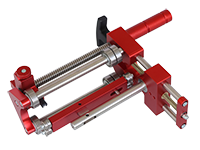
Recently, we photographed the internal structure of one of our butt fusion machine facers.
With the housing removed, the gear transmission system can be clearly seen. Power from the motor is transferred through a series of gears to the facer disc, allowing the blades to machine both pipe ends at the same time.
Welping facers across all butt fusion machine series use this gear-driven structure. Although it is normally hidden inside the housing, the transmission system plays an important role in cutting stability and long-term performance.
Stable Power Transmission
The gears remain in direct engagement during operation, providing a fixed and stable transmission path.
When the blades contact the pipe ends, the cutting load changes continuously. A stable gear drive helps transfer power consistently to the facer disc and reduces noticeable speed fluctuations during cutting.
For jobsites where the facer is used repeatedly throughout the day, consistent power delivery is more important than simply achieving a higher no-load speed.
Smooth and Uniform Rotation
A facer needs to machine both pipe ends evenly. The rotation of the facer disc affects the cutting process, the formation of shavings, and the final condition of the pipe ends.
The fixed gear ratio helps the facer disc rotate smoothly and consistently. This supports a more controlled cutting process and helps produce continuous, even shavings.
The final facing result also depends on blade condition, pipe clamping, machine alignment, and facing pressure. The transmission system provides the stable mechanical foundation required for these factors to work properly.
No Chain Tension Adjustment
Unlike a chain-driven system, a gear-driven facer does not require routine chain tension checks or adjustment.
Over time, a chain may stretch, loosen, or come off the sprocket. These chain-related issues do not apply to a gear transmission, which reduces the number of routine adjustments required during long-term use.
The gears, bearings, and other rotating components still require proper lubrication and inspection, but there is no chain tension to maintain.
Compact Internal Layout
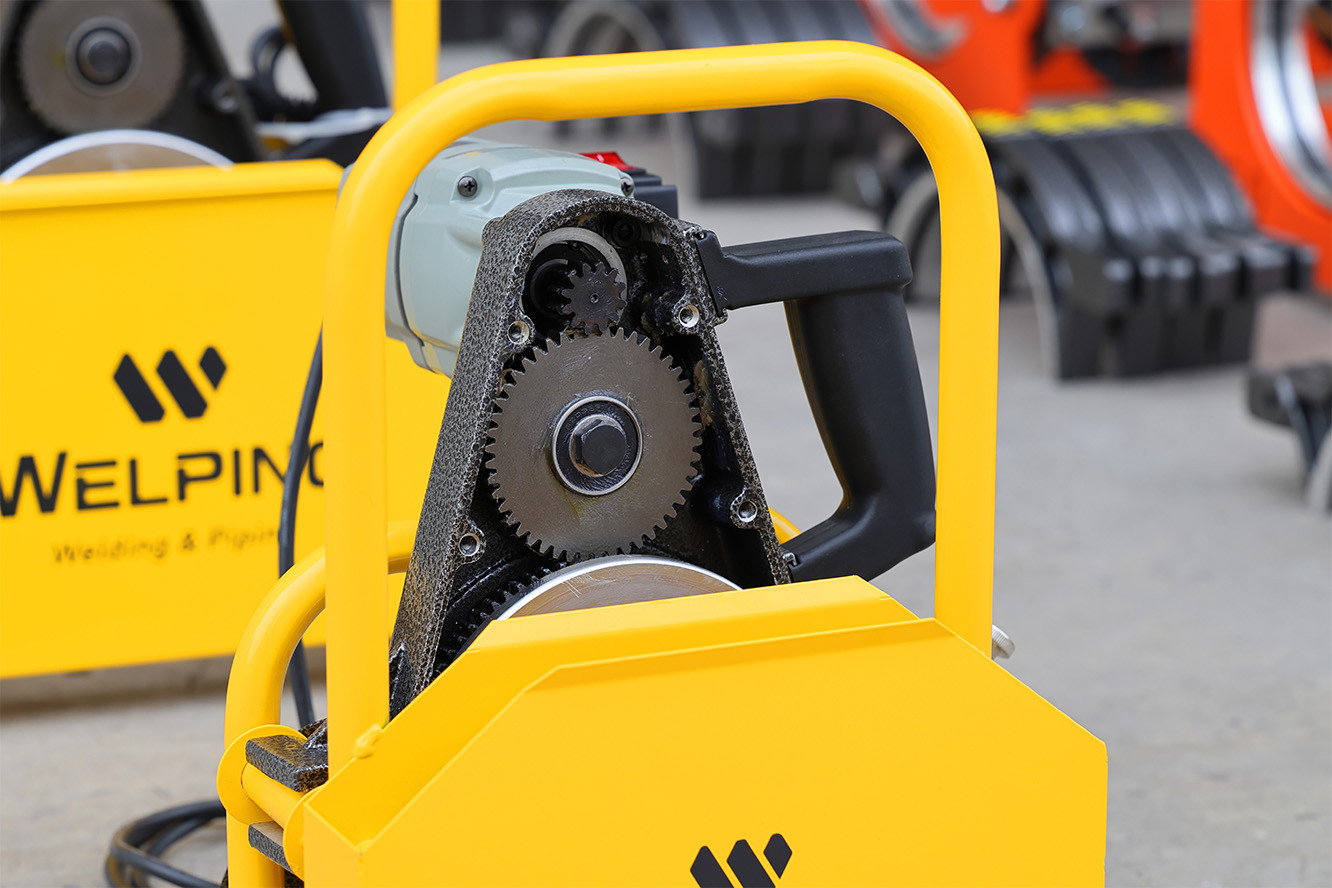
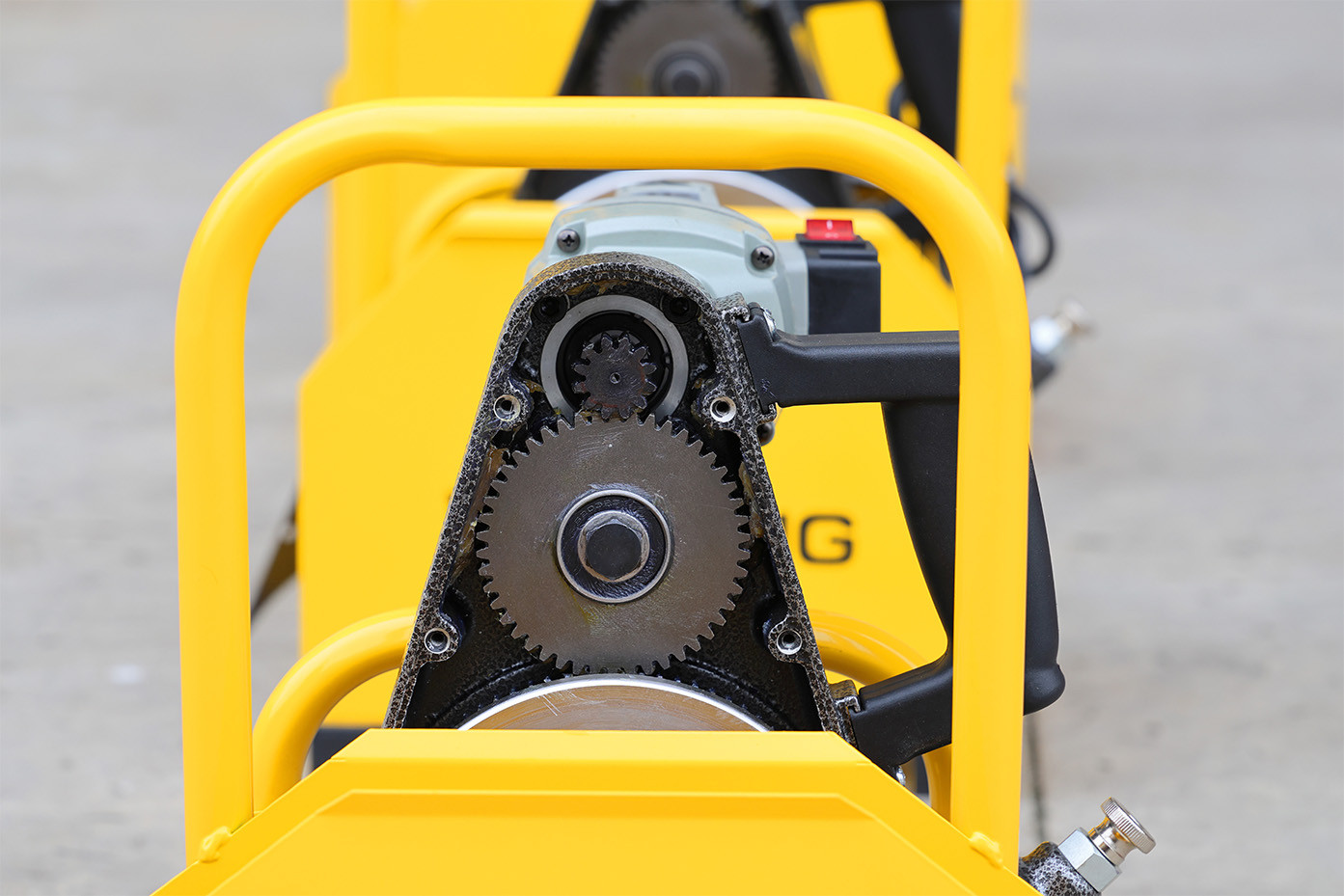
The gear train is installed inside the facer housing, allowing power transmission and speed reduction to be handled within a compact space.
This layout reduces exposed moving parts and removes the need for an additional chain tensioning mechanism. It also makes the facer easier to integrate with the machine frame, carrying basket, and handling system.
For equipment that is regularly transported and installed on jobsites, a compact structure offers a practical advantage.
Better Protection for Internal Components
Facing HDPE pipe produces long strips and small pieces of plastic shavings. Dust, dirt, and other site contaminants may also be present during operation.
Placing the gear transmission inside the housing helps reduce direct exposure to these materials. The housing also provides protection against accidental contact and impact during handling or transportation.
These internal components are rarely visible during normal use, but protecting them is important for reliable operation over time.
Why the Internal Structure Matters
The facer is a key part of the butt fusion process. Before heating, both pipe ends must be clean, flat, and parallel.
Blade quality and correct operation are essential, but the internal drive system also affects how smoothly and consistently the facer performs.
The purpose of Welping’s gear-driven design is not simply to make the facer rotate faster. It is to provide stable power transmission, uniform rotation, a compact structure, and fewer routine adjustments.
The gears may remain out of sight during daily operation, but they support every facing cycle.
Reliable facing starts with a reliable transmission system.
