
From Pipe Setup to Welding Preparation: WP1200A PRO Operation Process for Large-Diameter HDPE Pipe Fusion
Large-diameter HDPE pipe fusion is not only about joining two pipe ends together. Before the welding stage, several preparation steps must be completed carefully, including pipe placement, clamping, alignment, pipe end facing, heater preparation, and control of pressure, temperature, and welding time.
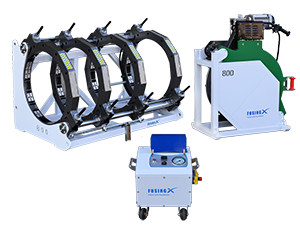
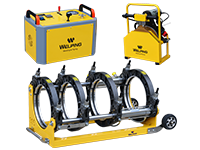
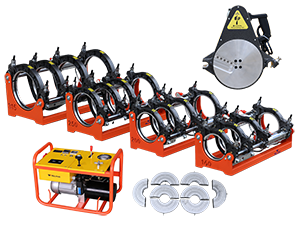
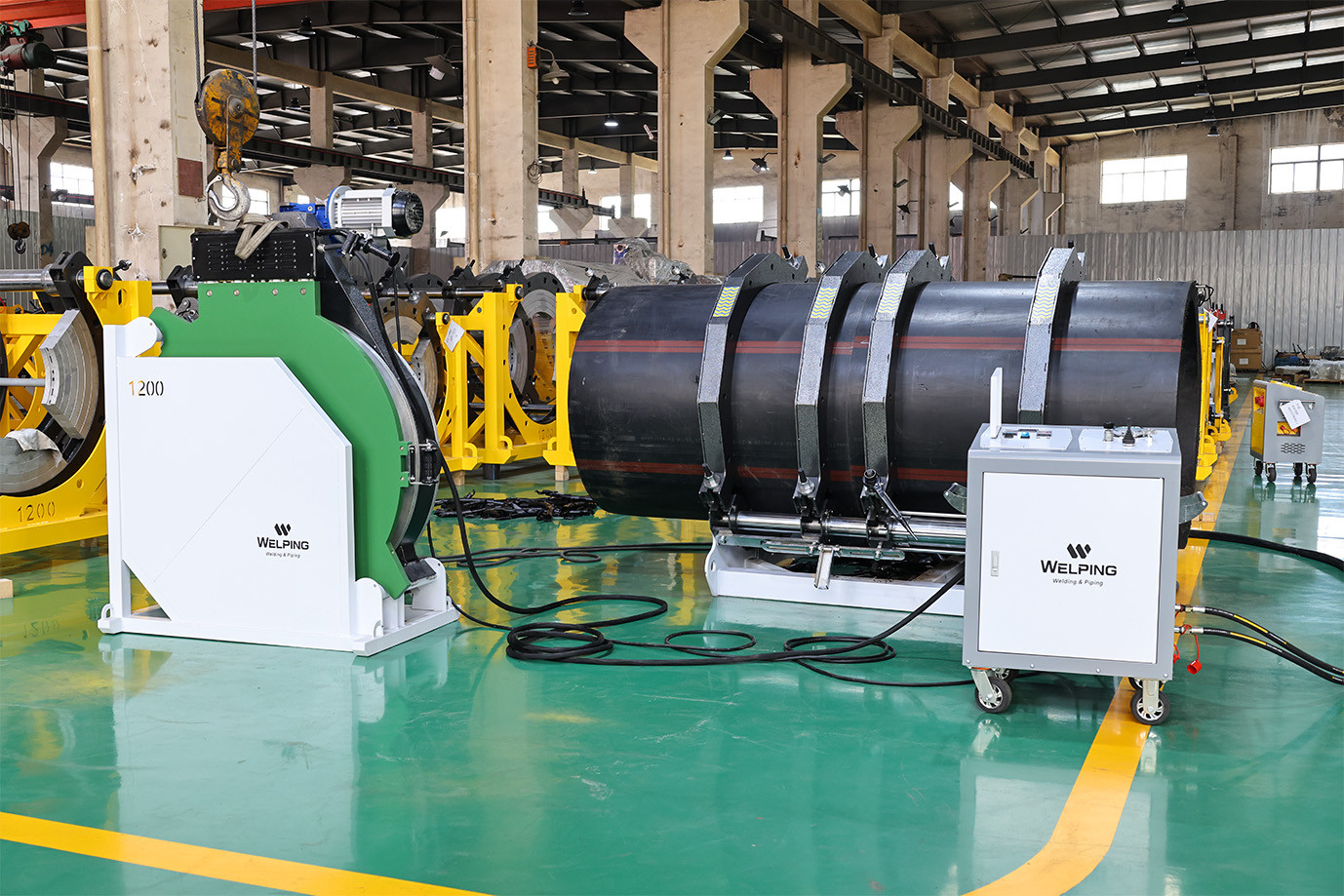
Recently, we took a new set of workshop photos of the WP1200A PRO. These photos show the machine during the preparation process for large-diameter HDPE pipe fusion, giving a practical view of how the equipment is arranged and operated in a real workshop environment.
1. Placing the Large HDPE Pipe Sections
The process starts by placing two HDPE pipe sections into the machine frame. For large pipe sizes, stable positioning is especially important because the pipe weight and diameter make handling more demanding.
At this stage, the pipe sections need to be positioned within the working range of the clamps. A stable initial setup helps make the following steps easier, including clamping, alignment, and facing. For large-diameter pipe welding, careful pipe placement is the foundation of the whole preparation process.
2. Clamping and Initial Alignment
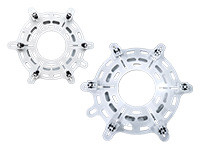
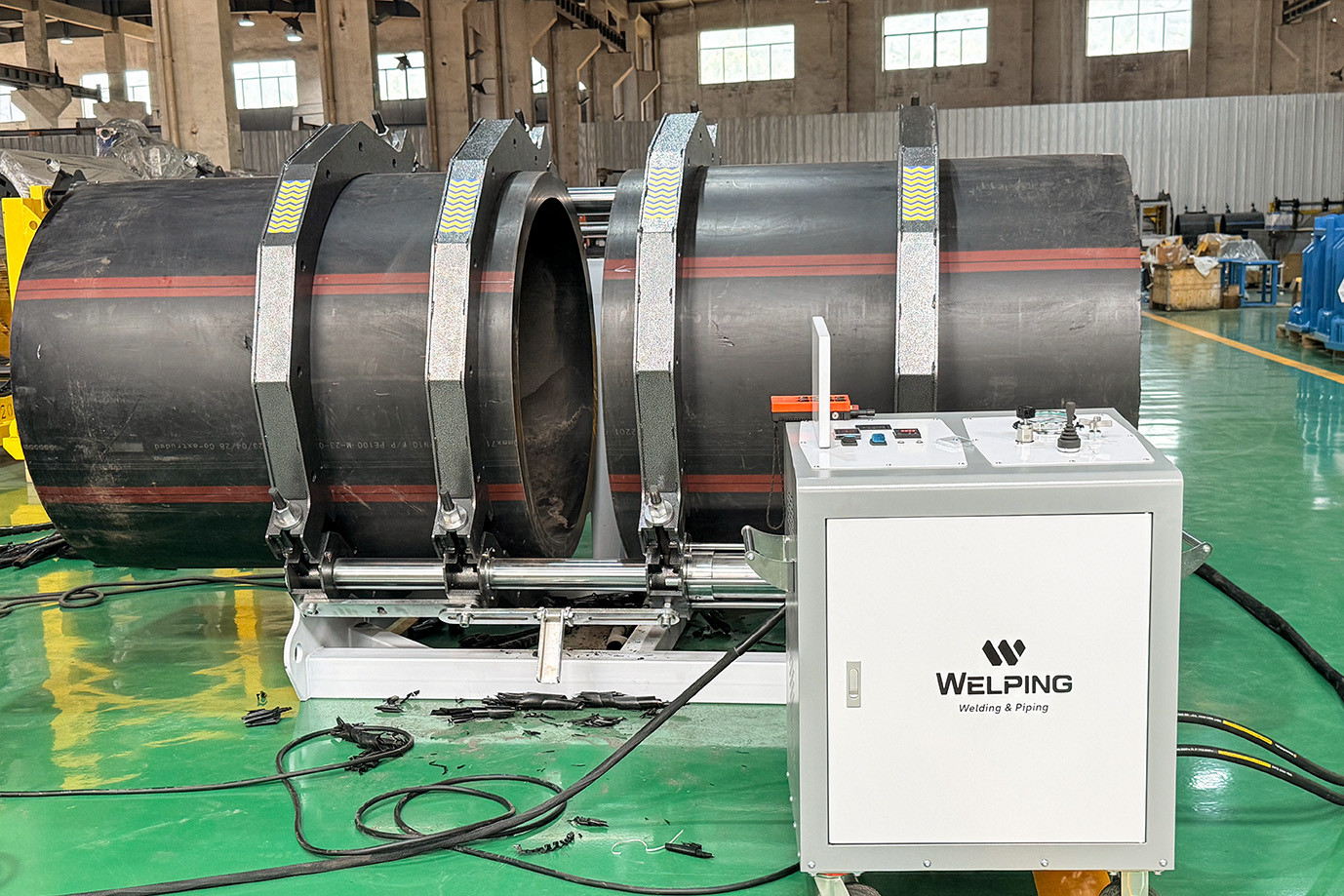
After the pipe sections are placed on the machine frame, they are fixed by multiple clamps. The WP1200A PRO is equipped with wide aluminum clamping inserts, which provide a larger contact area with the pipe surface and help keep the pipe steady during preparation.
Once the pipe is clamped, the operator checks the relative position of both pipe ends and makes the necessary alignment adjustments. Proper clamping and alignment are important before facing, heating, and jointing.
3. Positioning the Facer for Pipe End Facing
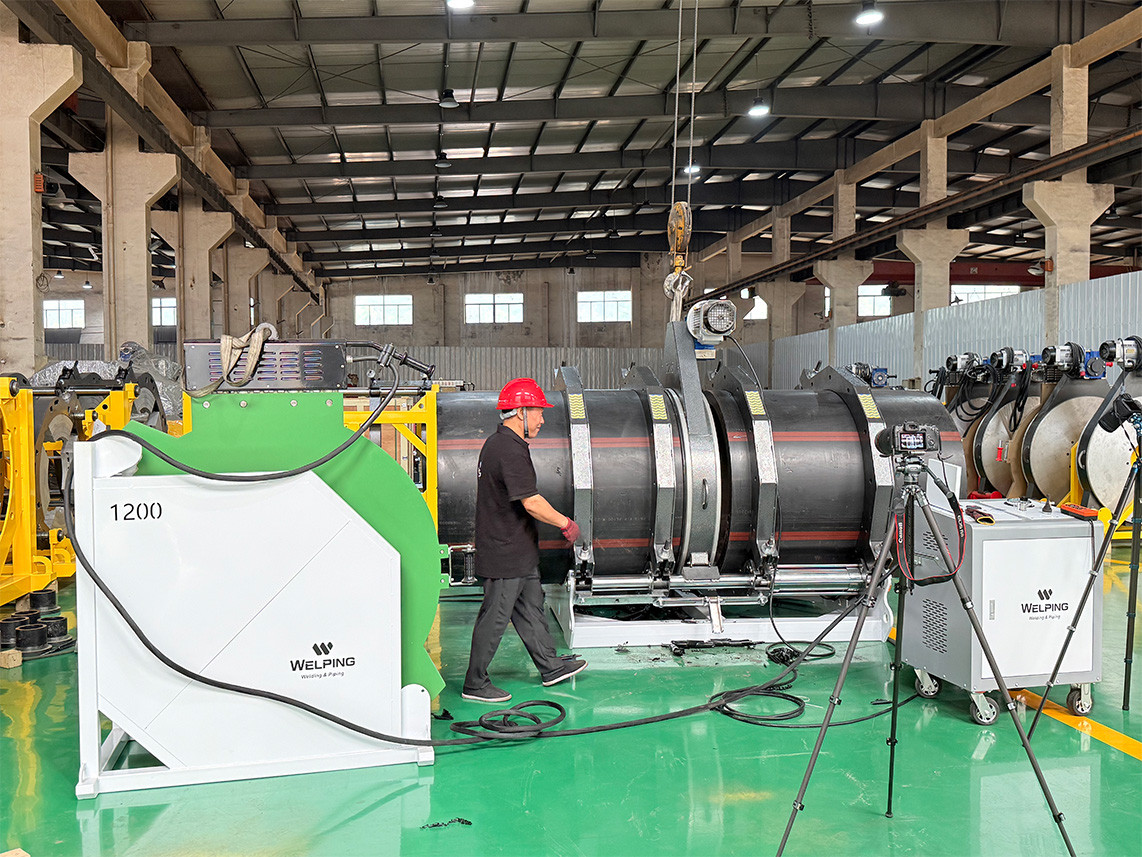
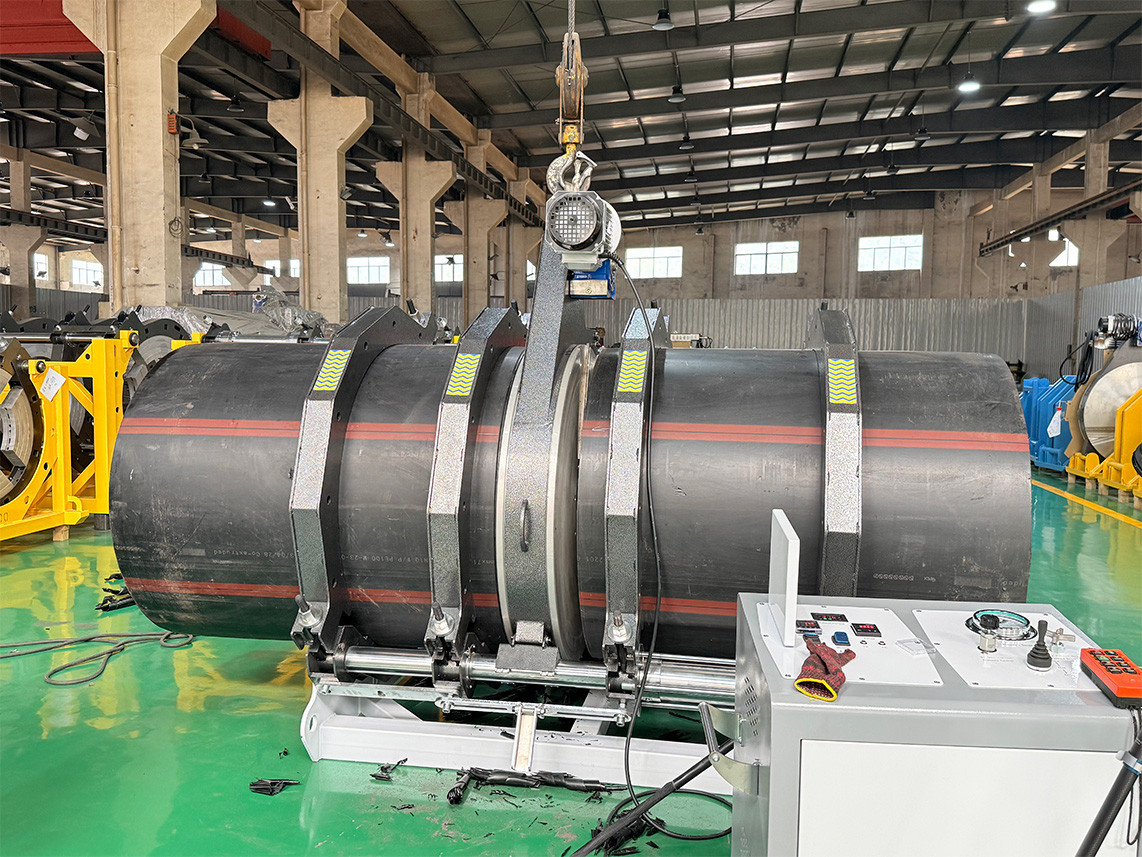
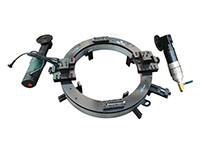
After initial alignment, the facer is positioned between the two pipe ends. The purpose of facing is to prepare both pipe ends with flat and clean contact surfaces before heating and jointing.
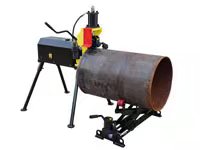
For large-diameter pipes, the facer is also larger and heavier. Moving and positioning it requires more care than with small or medium-sized machines. On the WP1200A PRO, lifting assistance can be used to help handle the facer more conveniently during operation.
4. Removing the Facer and Checking the Pipe Ends
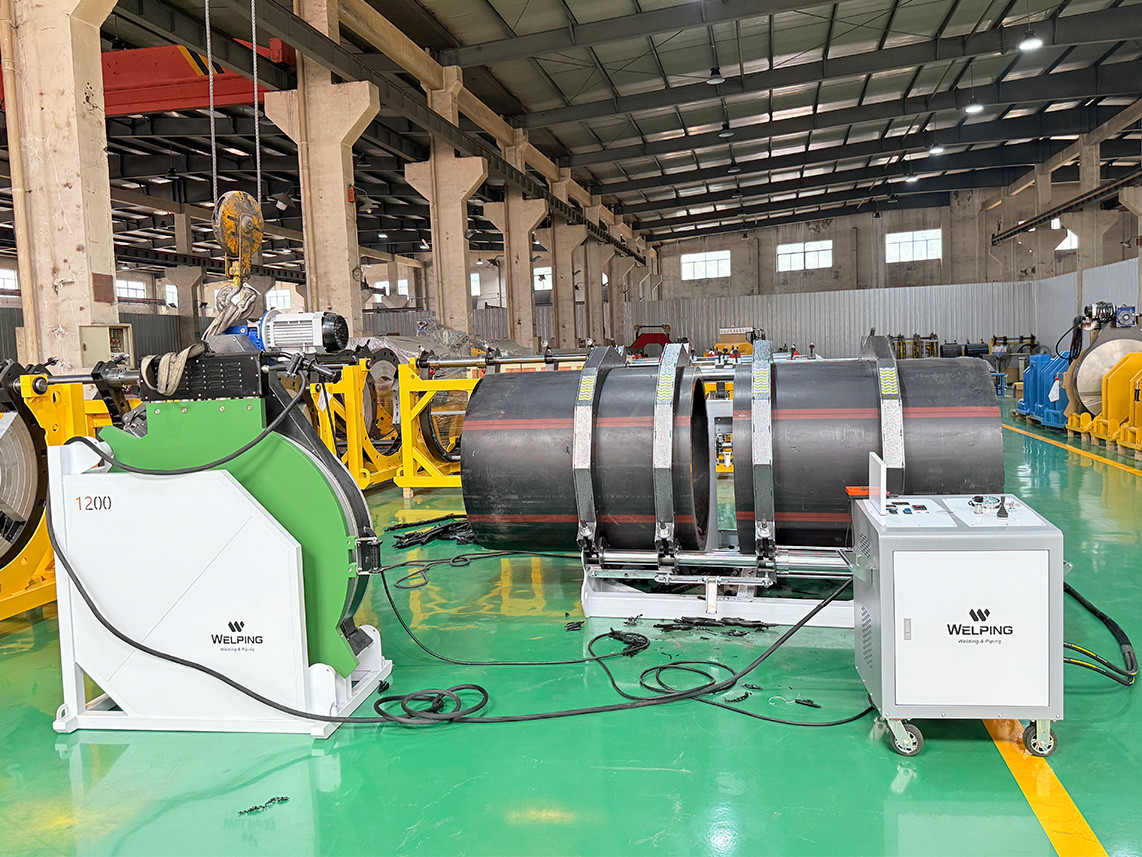
After facing is completed, the facer is removed from the working area. The operator then checks the pipe ends to confirm that the surfaces are properly prepared and that the pipe position remains correct.
This checking step is simple but important. Before entering the heating stage, the pipe ends should be clean, flat, and properly aligned according to the welding requirements.
5. Positioning the Heater for the Heating Stage
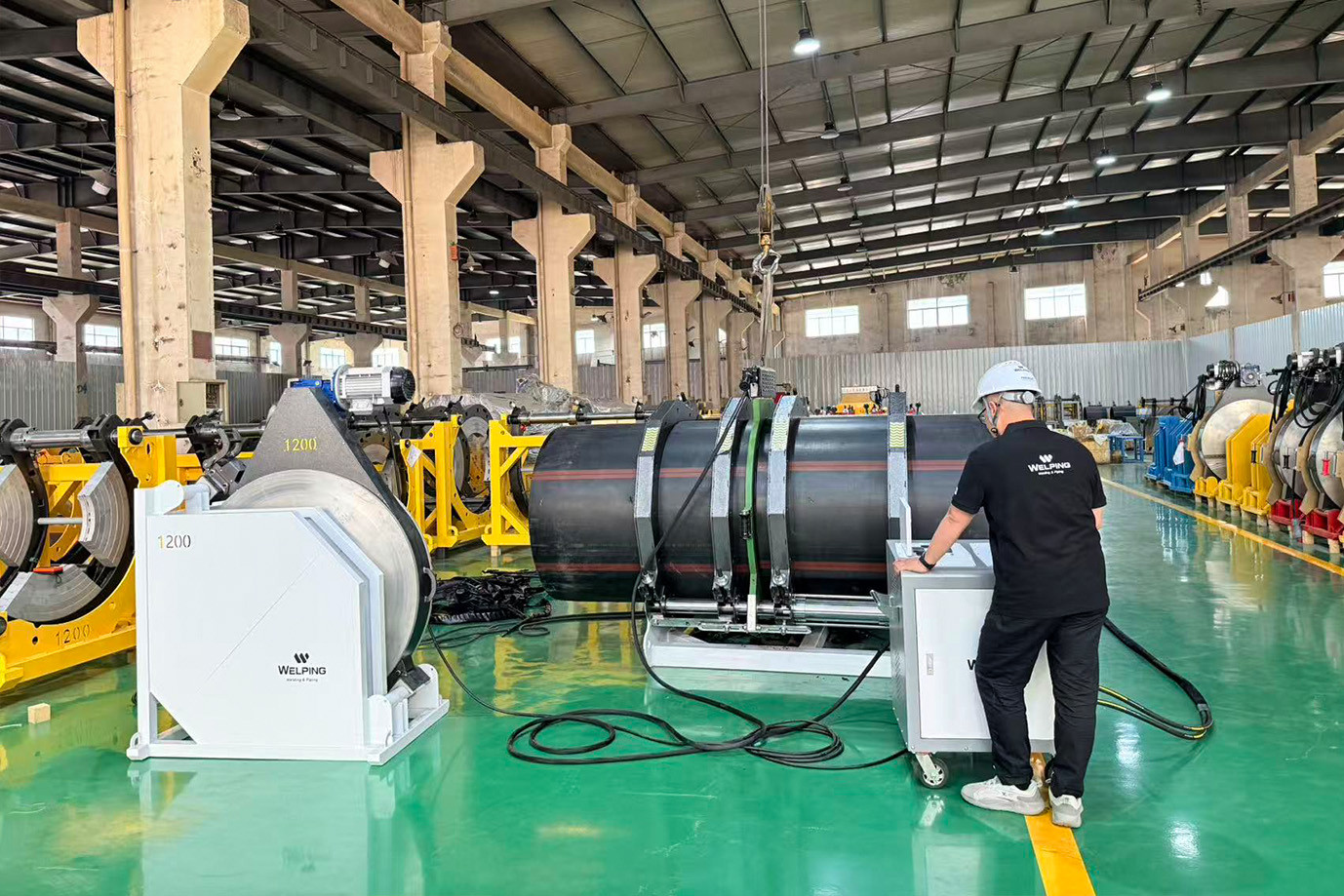
After the pipe ends are checked, the heater is placed between the two pipe ends for the heating stage. Since the heater for large-diameter pipe fusion is also large and heavy, stable handling is important during movement and positioning.
During heating, the operator controls temperature and heating time according to the pipe size, wall thickness, material, and welding standard. Specific welding parameters should always be determined based on the actual project requirements and applicable standards.
6. Controlling the Process Through the Hydraulic and Electrical Unit
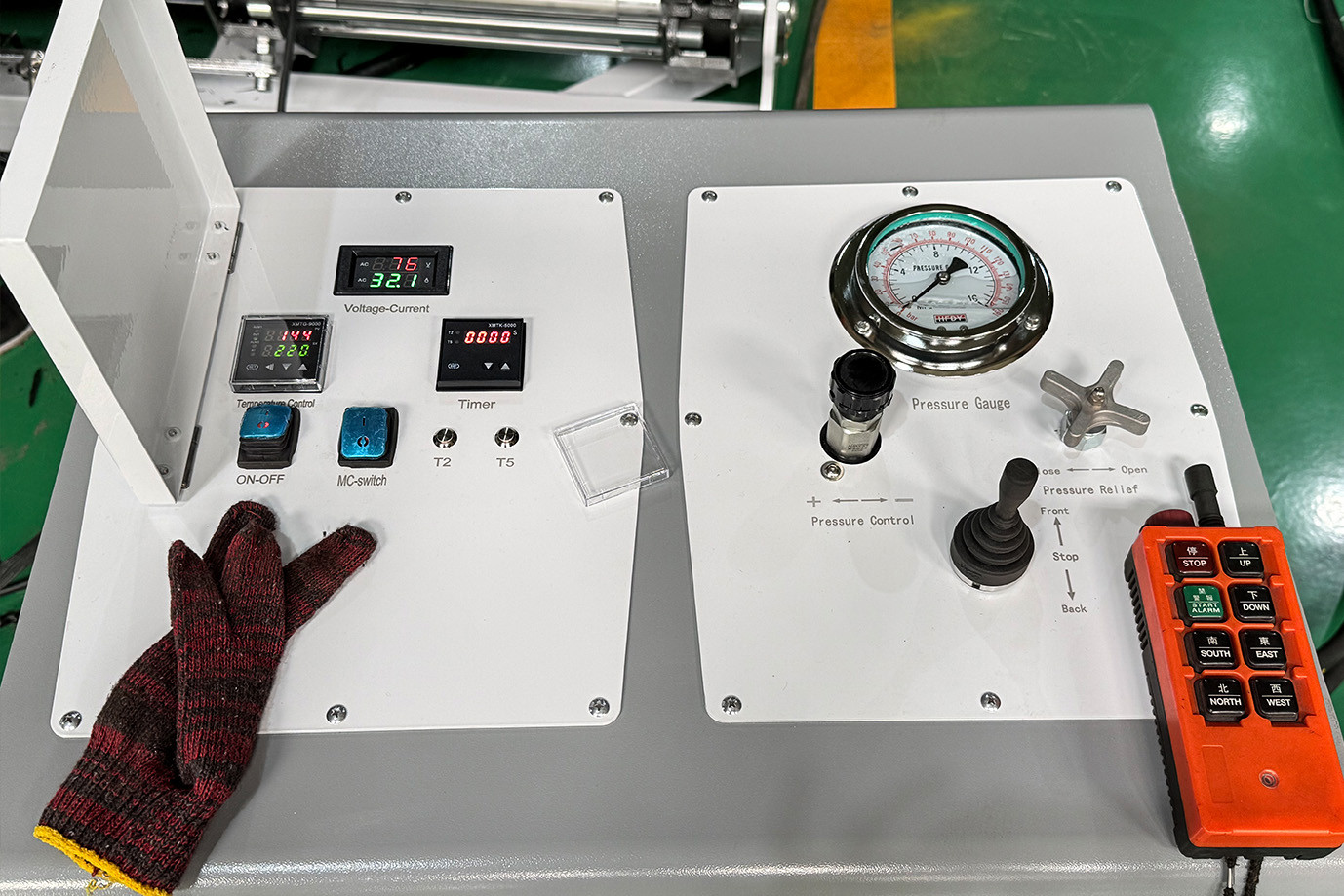
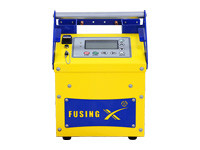
The WP1200A PRO comes with an independent hydraulic and electrical control unit. Through the control panel, the operator can monitor and adjust key working parameters such as pressure, temperature, and welding time, while also controlling the machine frame movement.
For large-diameter pipe fusion, hydraulic control plays an important role. Stable pressure control, clear temperature display, and proper timing all help support the welding process. The centralized control panel also allows the operator to check the machine status more easily during preparation and operation.
7. Jointing, Cooling, and Final Checking
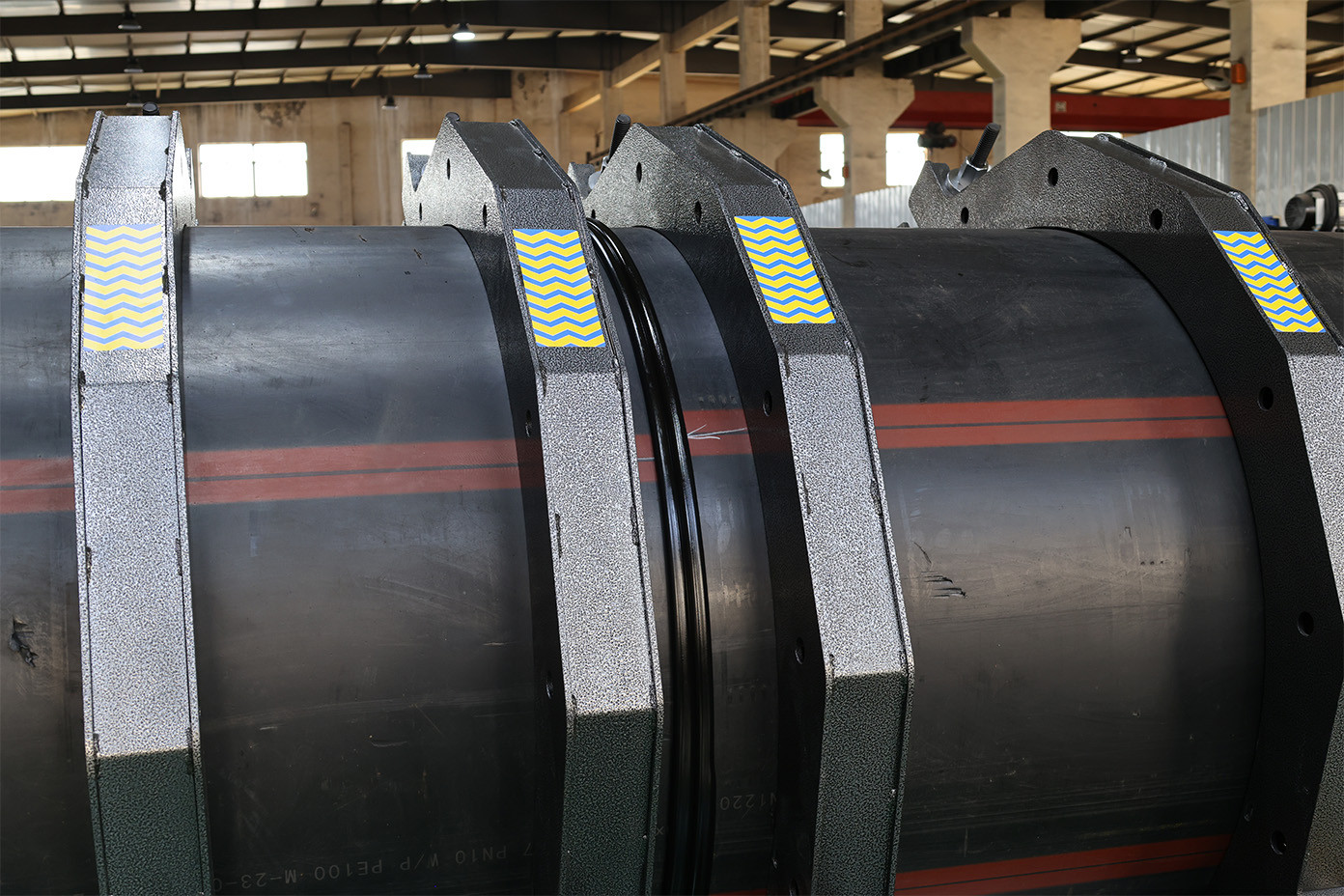
After heating is completed, the heater is removed from the working area. The hydraulic system then moves the two pipe sections together for jointing. After the joint is formed, the pipe must remain clamped under the required pressure during the cooling stage.
When cooling is complete, the clamps can be released and the joint can be checked. For large-diameter HDPE pipe welding, each step should follow the actual pipe specification, SDR rating, and relevant welding standard, rather than relying only on experience.
Conclusion
This set of workshop photos gives a clear view of the basic operation process of the WP1200A PRO for large-diameter HDPE pipe fusion. From pipe placement and clamping to facing, heater preparation, hydraulic control, jointing, and cooling, each step is closely related to welding preparation and operation stability.
The WP1200A PRO is designed for 630–1200mm large-diameter pipe fusion applications. Its structure and operation layout are built around the practical needs of large pipe welding. To learn more about the technical specifications, configuration details, and application of the WP1200A PRO, please visit the product page for more information.