
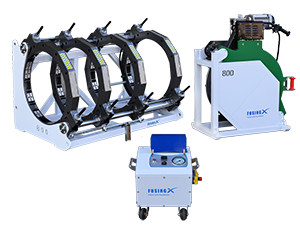
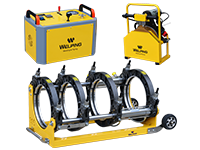
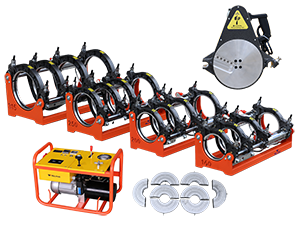
HDPE Butt Fusion Welding Temperature Chart & Key Parameters
When working with HDPE pipe, one of the first questions people ask is simple:
What temperature should the heater plate be set to?
Under the PPI generic butt fusion procedure, the heater surface temperature is typically maintained at 204–232°C (400–450°F), with an interfacial fusion pressure of 4.14–6.21 bar (60–90 psi).
However, these two figures alone do not make up a complete welding procedure.
A proper butt fusion setup must also take into account pipe size, wall thickness, SDR, heating time, changeover time, fusion pressure, cooling time, machine characteristics, and the welding procedure being followed.
In other words:
There is no single HDPE butt fusion parameter chart that can be applied to every pipe size, SDR and welding standard.
HDPE Butt Fusion Parameters — Quick Reference
| Parameter | Typical Reference / How It Is Determined | Main Purpose |
| Heater surface temperature | PPI generic procedure: 204–232°C | Supplies heat to the pipe ends |
| Interfacial fusion pressure | PPI generic procedure: 4.14–6.21 bar | Pressure acting at the actual pipe fusion interface |
| Hydraulic gauge pressure | Calculated from pipe-end area, cylinder area and drag pressure | Machine pressure setting |
Initial contact / bead-up pressure | Procedure-dependent | Ensures full contact with the heater plate |
Heat-soak pressure | Usually reduced after initial contact | Allows heat to penetrate without excessive material displacement |
Heating time | Based largely on wall thickness and procedure | Controls heat penetration |
Changeover time | Maximum time defined by the procedure | Limits heat loss during heater removal |
Fusion pressure | Determined by the welding procedure and machine | Forms and consolidates the joint |
Cooling time | Depends on wall thickness, pipe size and procedure | Allows the joint to develop sufficient strength |
Important: This table is intended to explain how the main parameters relate to one another. It is not a complete welding specification. Actual welding should always follow the applicable standard, pipe manufacturer's recommendations and the approved project procedure.
1. What Temperature Is Used for HDPE Butt Fusion?
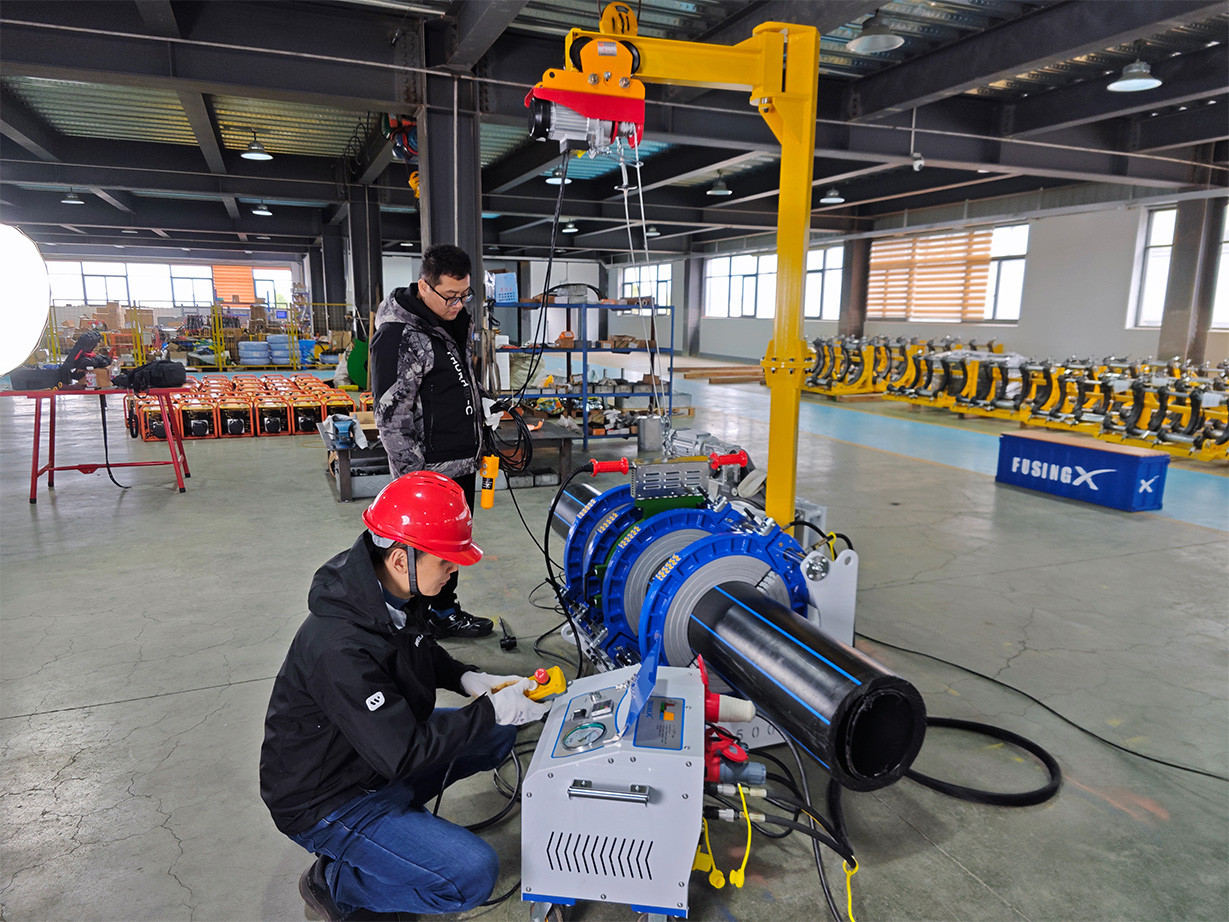
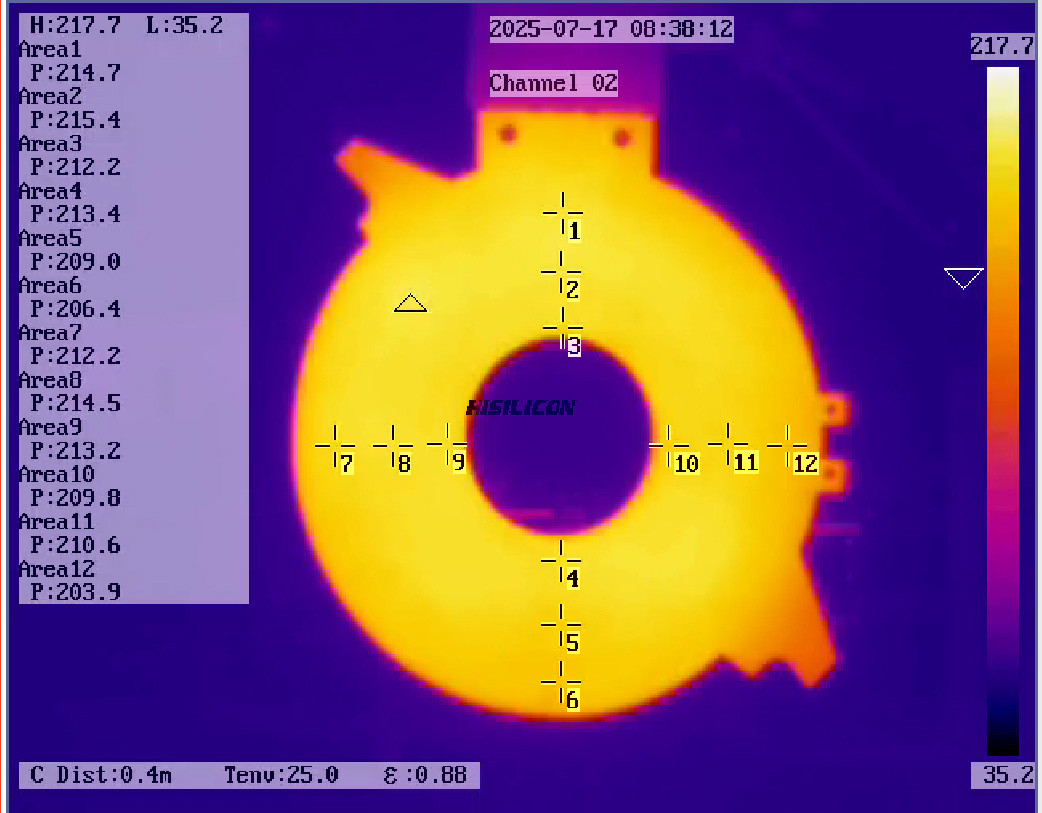
The first thing to understand is that the temperature shown on the machine normally refers to the:
heater plate surface temperature —not the internal temperature of the PE pipe.
Under the PPI generic butt fusion procedure, the heater surface temperature is maintained at:
400–450°F, or approximately 204–232°C.
This is why values such as: 210°C,220°C or 230°C,are commonly seen in the industry. The problem is not necessarily the temperature itself.
The problem comes when one temperature value is treated as a complete welding setting.
For example, setting the heater to 220°C does not mean that the entire PE pipe wall is heated to 220°C.
During fusion, heat is transferred from the heater plate into the pipe ends, creating a controlled molten layer. The heater is then removed and the two molten surfaces are brought together under a specified pressure and within a limited changeover time.
The final joint therefore depends on the combination of:
temperature + pressure + time + pipe dimensions + welding procedure
rather than temperature alone.
Heater Temperature Is Not the Same as Pipe Temperature
The operator can directly monitor:
Heater Plate Temperature
But the amount of heat actually transferred into the pipe ends is influenced by several factors, including:
· actual heater surface temperature,
· contact time,
· wall thickness,
· quality of contact between pipe and heater,
· ambient temperature,
· wind,
· and heater plate surface condition.
So even if the controller shows 220°C, that does not automatically mean the whole fusion process is correct.
2.Why Temperature Alone Is Not Enough
Consider two PE pipes: 110 mm SDR 11 and 630 mm SDR 17
They may use a similar heater plate temperature, but they cannot simply use the same heating time, fusion force or cooling time.
The reason is straightforward:
the pipe wall is what needs to be heated and fused.
A thicker wall generally requires more time for heat to penetrate far enough into the material.
A larger pipe-end cross-sectional area also requires a greater total fusion force.
Butt fusion can therefore be understood through four closely related factors:
· Temperature —— Determines the heat available for transfer.
· Time —— Determines how deeply that heat can penetrate the pipe wall.
· Pressure —— Controls heater contact and how the molten surfaces are brought together.
· Pipe dimensions —— Determine how much material must be heated and how much fusion force is required.
This is why a real butt fusion procedure never consists of a single temperature setting.
3. What Are the Main Butt Fusion Parameters?
3.1 Heater Temperature
Heater temperature determines how much thermal energy is available to the pipe ends.
If the temperature is too low, the pipe may not develop a sufficient molten layer.
If it is too high, excessive melting or an abnormal bead profile may occur.
Temperature should always be considered together with:
heating time.
3.2 Initial Contact / Bead-Up Pressure
When the pipe ends first contact the heater plate, sufficient pressure is needed to ensure complete and even contact.
This stage normally produces the initial melt bead.
Once proper contact has been established, the pressure is generally reduced for the heat-soak stage.
3.3 Heat-Soak Pressure
This is one of the most commonly misunderstood parameters in butt fusion.
A common assumption is: The higher the pressure during heating, the better.
That is not correct.
After the initial contact stage, the pressure is normally reduced so the pipe ends can continue absorbing heat without continuously forcing softened polyethylene away from the heated area.
The purpose of the heat-soak stage is primarily:
heat transfer, not material displacement.
3.4 Heating Time
Heating time determines how far heat penetrates into the pipe wall.
As a general principle:
the thicker the wall, the longer the heating period required.
This is also why pipe diameter alone is not enough to determine heating time.
For example, two 500 mm pipes may have very different wall thicknesses if one is SDR 11 and the other is SDR 26.
Their heating times cannot simply be copied from one another.
3.5 Changeover Time
Changeover time is the period covering:
end of heating → separation from the heater → heater removal → contact between the two molten pipe ends
This operation should be completed as quickly as practical while remaining controlled and safe.
Once the pipe ends leave the heater, the molten surfaces begin to cool.
Excessive changeover time can therefore reduce the surface temperature before fusion begins.
3.6 Fusion Pressure
Once the molten pipe ends are brought together, a specified fusion pressure is applied to form the joint.
This leads to one of the most important distinctions in butt fusion:
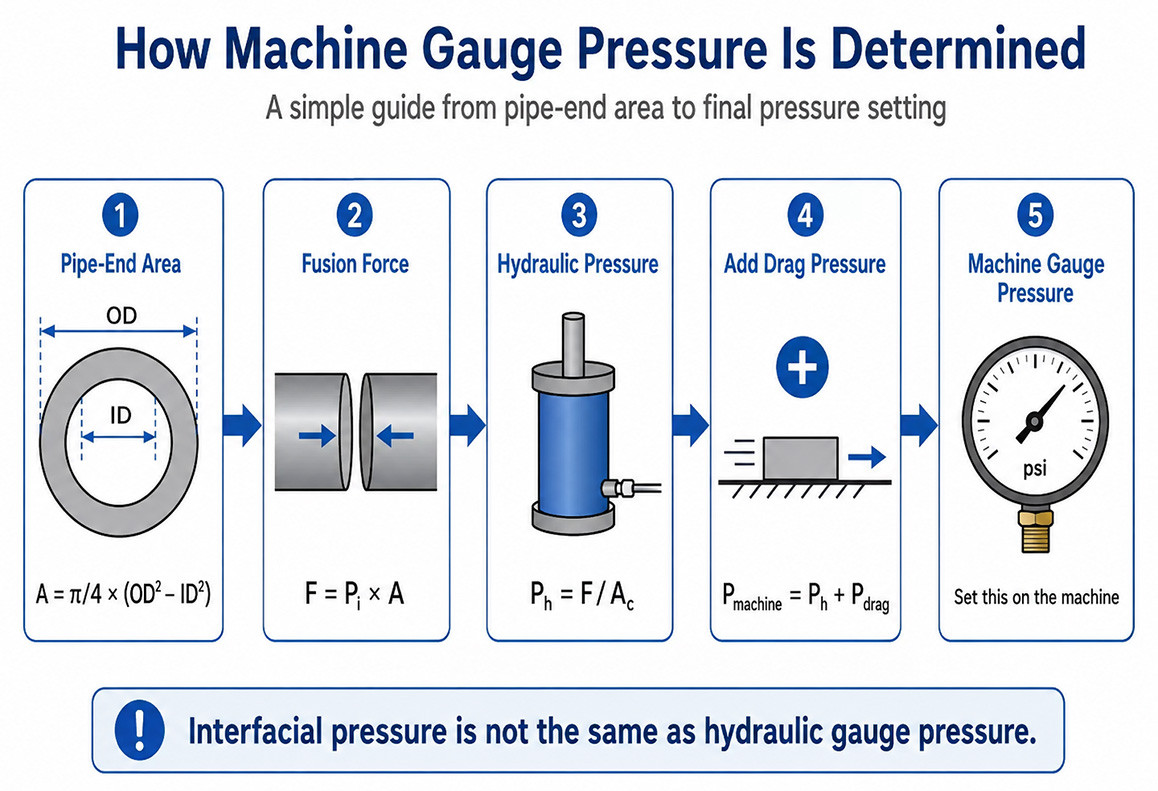
Interfacial fusion pressure is not the same as the hydraulic pressure shown on the machine gauge.
4. Interfacial Pressure Is Not Hydraulic Gauge Pressure
Under the PPI generic procedure, the interfacial fusion pressure is: 60–90 psi
or approximately: 4.14–6.21 bar.
However, this does not mean the hydraulic unit should simply be set to 4.14–6.21 bar.
That value refers to: Interfacial Pressure
—the pressure acting on the actual annular fusion area of the pipe end.
The machine pressure gauge, on the other hand, shows: Hydraulic Gauge Pressure
The two values must be converted through the machine's hydraulic system.
The basic logic is:
Pipe-End Area ➔ Required Fusion Force ➔ Hydraulic Pressure Based on Effective Cylinder Area ➔ Add Drag Pressure ➔ Final Machine Gauge Pressure
5. What Is Drag Pressure?
When a hydraulic butt fusion machine moves the carriage and pipe, some pressure is required even before the two pipe ends touch.
This pressure is needed to overcome movement resistance and is commonly referred to as: Drag Pressure
It can be affected by:
· carriage resistance,
· internal hydraulic resistance,
· pipe weight,
· friction between the pipe and the ground,
· pipe supports,
· and overall jobsite conditions.
For this reason, the actual machine pressure setting normally has to take drag pressure into account.
It is also important to understand that: drag pressure is not a fixed value.
It can change with: machine model, pipe size, pipe weight, support arrangement, and site conditions.
It should therefore be determined under the actual machine and jobsite conditions.
6. How Is Heating Time Determined?
For butt fusion, pipe wall thickness is one of the most important factors affecting the heating stage.
A useful welding parameter table should therefore normally consider: OD,SDR,Wall Thickness
rather than simply stating: 500 mm pipe = XX seconds
For example, a Ø500 mm SDR 11 pipe and a Ø500 mm SDR 17 pipe have different wall thicknesses.
Even if they use a similar heater temperature, their heating requirements cannot simply be copied from one another.
A useful way to understand the relationship is:
Heater temperature provides the heat, while wall thickness largely determines how long that heat needs to penetrate the pipe end.
7. Why Is Cooling Time Important?
The joint may look complete as soon as the molten pipe ends have been pressed together, but the material inside the fusion zone is still hot.
The joint must remain stable while it cools and develops sufficient strength.
If the clamps are released too early, or if the pipe is moved or loaded before the joint has cooled sufficiently, the fusion area may be disturbed.
That includes situations such as:
releasing the clamps too soon, dragging the pipe, moving the machine, or applying load to the joint.
Cooling should therefore be treated as part of the welding cycle itself, not simply as:
waiting for a while after welding.
Different standards and fusion procedures may define cooling requirements differently, which is another reason why cooling-time charts should always be checked against the procedure from which they were taken.
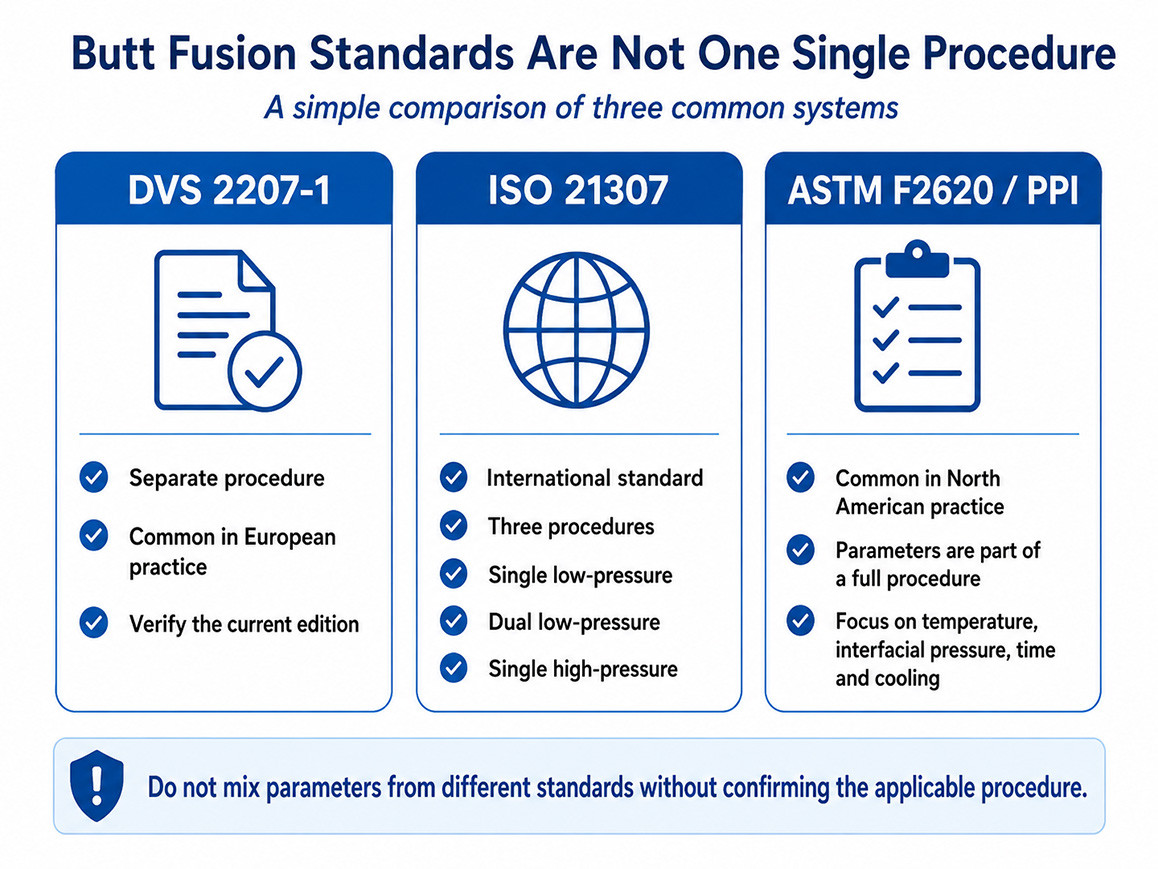
8. Why ASTM F2620, ISO 21307 and DVS 2207-1 Should Not Be Mixed
Many online articles combine values from: DVS,ISO and ASTM / PPI
into one so-called HDPE welding parameter chart.
That may look convenient, but it can be misleading.
These standards do not represent one identical butt fusion procedure.
ASTM F2620 / PPI
ASTM F2620 is an important North American practice for heat fusion joining of polyethylene pipe and fittings.
PPI TR-33 is also a widely referenced Generic Butt Fusion Joining Procedure and has a close technical relationship with the development of ASTM F2620.
This system commonly addresses parameters such as:
heater surface temperature, interfacial pressure, heating, joining, and cooling.
The important point is that these values belong to a complete procedure and should not be selected individually and combined with values from another system.
ISO 21307
ISO 21307 covers three different PE butt fusion procedures:
· Single low-pressure
· Dual low-pressure
· Single high-pressure
So a question such as:“What is the ISO 21307 fusion pressure?”is incomplete.
The first question should be: Which ISO 21307 procedure is being used?
Each procedure follows its own welding cycle and parameter logic.
DVS 2207-1
DVS 2207-1 is another important system used for heated-tool welding of polyethylene.
When using a DVS parameter table, the version of the standard should always be checked.
Older parameter tables remain widely available online, and a table labeled simply:
DVS Parameters
should not automatically be assumed to represent the current project requirement.
9. What Does a Complete Butt Fusion Cycle Look Like?
From a practical jobsite point of view, a typical butt fusion cycle can be summarized as:
“Clamp the pipe ➔ Face the pipe ends ➔ Check alignment ➔ Insert the heater ➔ Form the initial bead ➔ Heat soak ➔ Remove the heater ➔ Bring the pipe ends together ➔ Bring the pipe ends together ➔ Maintain fusion pressure ➔ Cool the joint ➔ Release the clamps”
This also shows why heater temperature is only one part of the process.
Even with the correct temperature, a joint can still be affected by:
“poor facing, misalignment, excessive changeover time, incorrect pressure, or insufficient cooling. ”
The final joint may still fail, even with a perfectly correct heater temperature.
10. How Can You Tell Whether the Fusion Parameters Were Suitable?
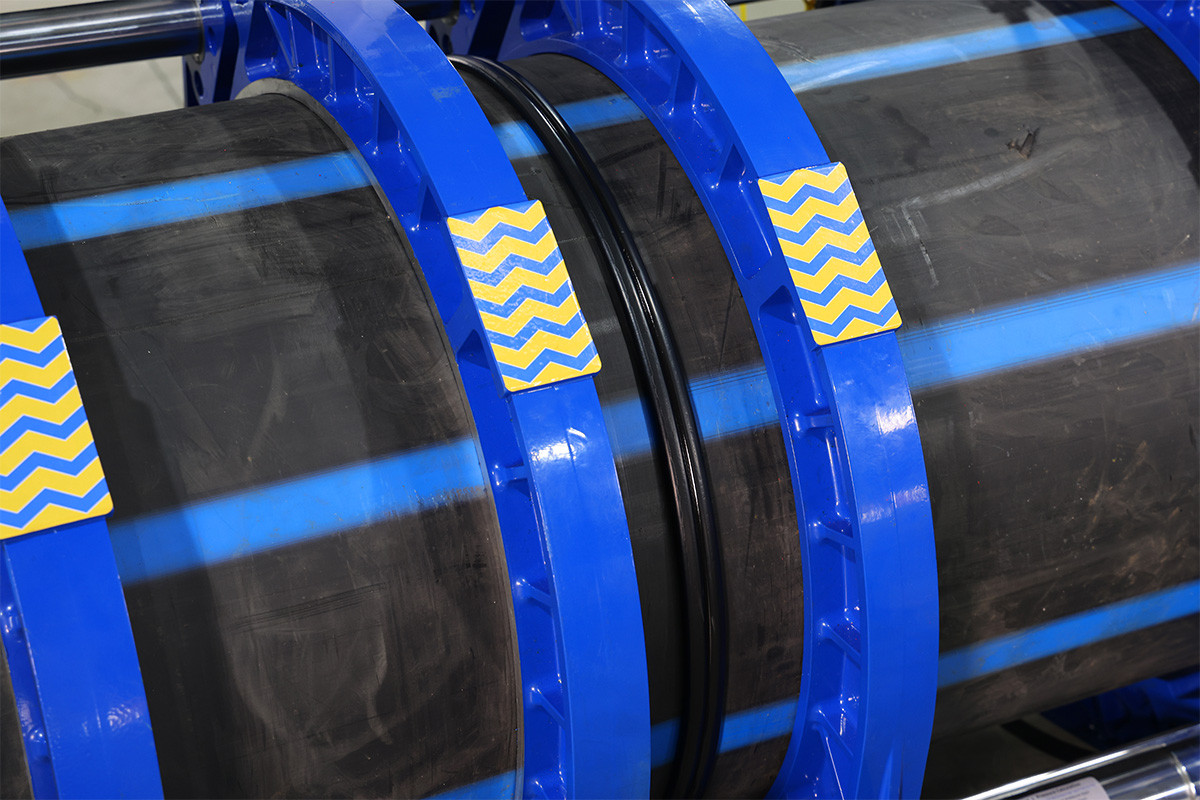
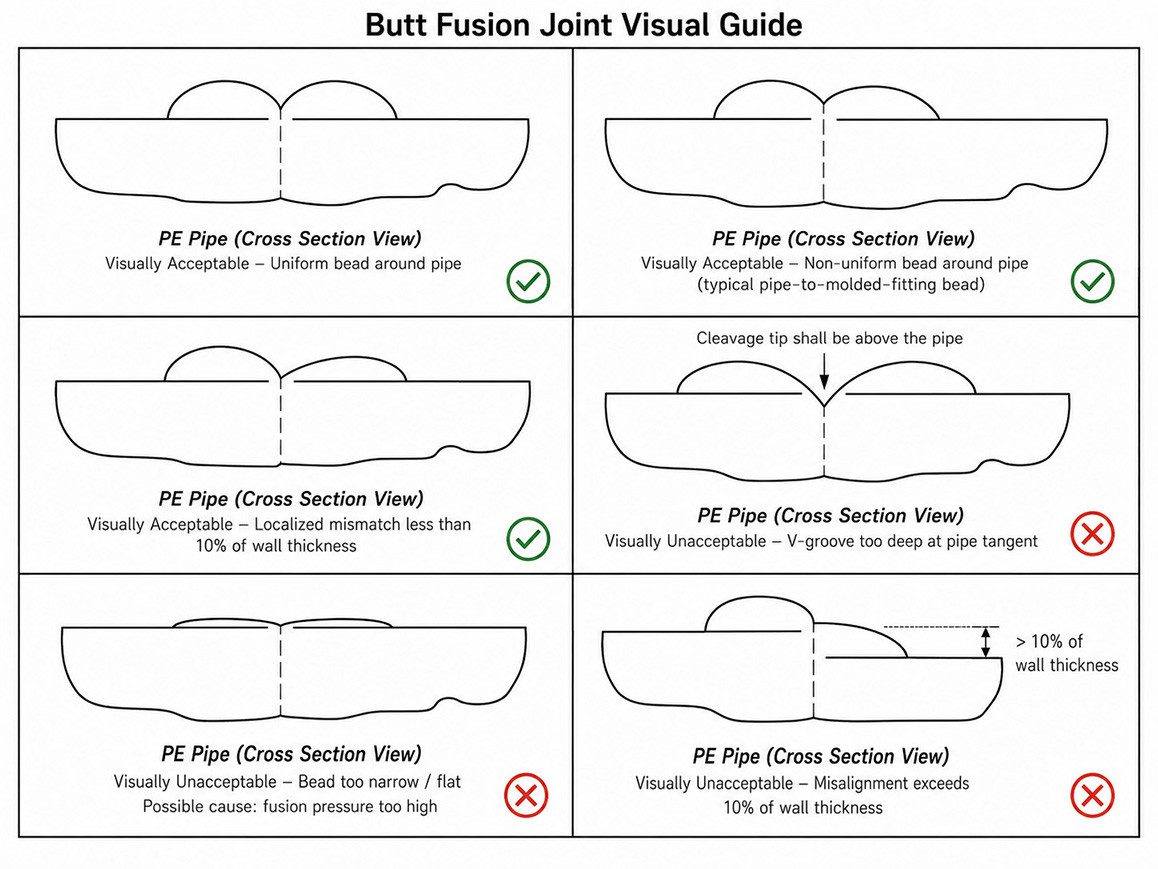
After welding, the final joint still needs to be evaluated.
A properly formed PE butt fusion joint will normally show:
· a continuous bead around the full circumference
· reasonably uniform bead formation on both sides
· good pipe alignment
· no obvious contamination
· no abnormal depressions
· no clear visual signs of underheating or excessive pressure
Visual inspection does not replace the full quality requirements of a project, but it is a useful first check for obvious welding problems.
11. Common Butt Fusion Parameter Mistakes
Looking at Temperature Alone
A heater reaching 220°C does not mean the whole fusion procedure is correct.
Treating Interfacial Pressure as Gauge Pressure
The pressure specified at the fusion interface cannot simply be entered directly on the machine gauge.
Keeping Too Much Pressure During Heat Soak
Excessive pressure can continue pushing softened material away from the heating zone.
Taking Too Long to Remove the Heater
Excessive changeover time increases heat loss from the molten pipe ends.
Ignoring Drag Pressure
This becomes especially important with large-diameter pipe, where pipe weight and support conditions can create significant movement resistance.
Releasing the Clamps Before the Joint Has Cooled Sufficiently
A formed bead does not mean the fusion zone has already developed full stability.
FAQ
What Temperature Is Used for HDPE Butt Fusion?
Under the PPI generic procedure, the heater surface temperature is 204–232°C (400–450°F).
Actual projects should still follow the applicable standard and approved fusion procedure.
Can All HDPE Pipe Be Butt Fused at 220°C?
Not simply.
220°C falls within the heater temperature range commonly used in many PE butt fusion procedures, but wall thickness, pressure, heating time, cooling time and the applicable procedure must also be considered.
Does Larger Pipe Require a Higher Heater Temperature?
Not necessarily.
For larger or thicker-wall pipe, the more important changes are often related to:
wall thickness, heating time, fusion force, and cooling time.
Does SDR Affect Butt Fusion Parameters?
Yes.
SDR is directly related to wall thickness, and wall thickness affects:
heating time, pipe-end area, required fusion force, and cooling.
What Is Drag Pressure in Butt Fusion?
Drag pressure is the hydraulic pressure required to overcome machine and pipe movement resistance.
It is not a fixed value and should be determined under the actual machine and site conditions.
Why Do Different Butt Fusion Machines Use Different Pressure Settings?
Because the machine gauge shows hydraulic system pressure.
The required setting depends on factors such as:
effective cylinder area, pipe-end area, machine design, and drag pressure.
For this reason, a pressure setting from one machine should not simply be copied to another.
Can ASTM, ISO and DVS Butt Fusion Parameters Be Mixed?
They should not be mixed casually.
These systems may use different welding cycles, pressure concepts, heating requirements, changeover limits and cooling requirements.
The complete procedure specified for the project should always be followed.
Final Takeaway
HDPE butt fusion looks simple when reduced to the basic actions:
heat, remove the heater, join and cool.
But a reliable butt fusion joint depends on a complete controlled process:
· correct heater temperature
· correct contact and fusion pressure
· sufficient heating time
· fast, controlled changeover
· correct fusion force
· adequate cooling
So rather than looking for a single:
“HDPE butt fusion parameter chart for every pipe”
it is more useful to first determine:
the pipe material, SDR, wall thickness, machine characteristics and the welding procedure required by the project.
Only then do temperature, pressure and time values become meaningful.